
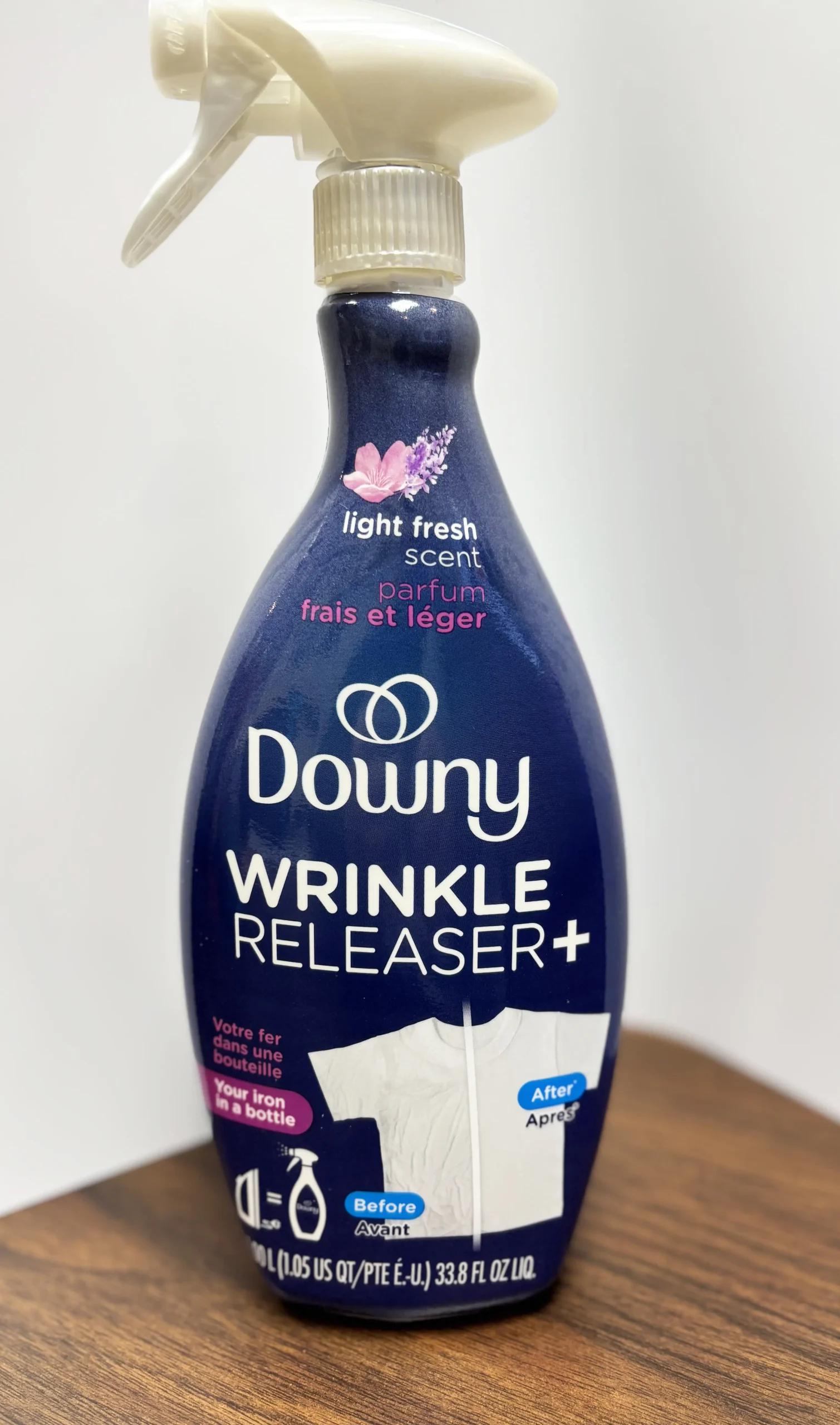
Cleaning product labels have significantly more responsibility than other consumer good labels. They need to capture shopper attention and reinforce brand identity, while clearly presenting hazard information and withstanding long term exposure to moisture and solvents. A label that’s color fades or edges curl can lead to diminished customer trust and potential returns.
For over four decades, Model Graphics has been the trusted contract label manufacturer for various markets, including laundry and kitchen, chemical and soap, as well as industrial. Our capabilities and technical insight allow us to produce cleaning product labels that meet regulatory requirements and deliver dependable performance.
Our guide below takes a deeper look at how labels for cleaning products differ from labels used across broader consumer product categories. If your current labels fall short, or you want to learn more about our services at Model Graphics, give us a call.
Why Cleaning Product Labels Require Specialized Materials
A standard product label would quickly degrade under the conditions that cleaning product labels face. Detergent bottles are often kept in humid laundry rooms, and kitchen or bathroom sprays are frequently handled with wet hands. Soap containers may accumulate residue, while household cleaners can include bleach, ammonia, or citrus-based solvents that break down inks and adhesives. Temperature swings are also a consideration for commercial cleaning products featured in facilities that lack climate control.
Using the wrong materials or adhesives for cleaning labels often leads to predictable failures. Paper facestocks can absorb moisture and curl as fibers expand unevenly. Inks without chemical resistant coatings may fade after repeated contact with cleaning agents. Adhesive lift can be especially costly, occurring when the adhesive loses its bond on a curved or textured surface exposed to moisture or chemical splash.
These failures are preventable through proper material and adhesive selection. Cleaning product labels typically call for the use of synthetic facestocks, chemical resistant inks, and adhesives designed specifically for plastic substrates in humid conditions.
Regulatory Requirements for Cleaning Product Labels
Cleaning products labels need to satisfy a multitude of regulatory requirements that dictate what information must appear on the label, how it’s formatted, and which fonts and pictograms are used. Specific rules and regulations from different governing bodies include:
- GHS: The Globally Harmonized System of Classification and Labeling of chemicals sets the guidelines for pictograms, signal words, and hazard statements for products containing dangerous chemical formulations.
- OSHA Hazard Communication Standard basics: This OSHA standard uses GHS criteria to require accurate chemical hazard classification and label details that match the related Safety Data Sheet.
- EPA and state-level regulations: Disinfectants, sanitizers, and other similar cleaning products fall under EPA registration specifications. Individual states may also have additional labeling requirements surrounding ingredient disclosures or environment claims.
A fully compliant label typically needs a product identifier, signal word, hazard and precautionary statements, pictograms, and supplier identification all sized and positioned to regulatory guidelines.
Choosing the Right Label Materials by Product Type
| Product Type | Label Material Considerations |
| Detergents | Moisture & chemical-resistant film |
| Sprays | Water-resistant, adhesive built for curved surfaces |
| Soaps | Grease/moisture resistance, flexible adhesive |
| Surface Cleaners | Chemical-resistant coating, strong adhesion |
Adhesive Selection for Wet, Humid, or Chemical-Heavy Environments
As seen with the common reasons for label failure, adhesive selection is a key technical decision for cleaning product labels. The best adhesive depends on the performance demands across the product’s full life cycle.
Permanent adhesives are engineered to form a strong, lasting bond that works well for detergent containers, spray bottles, and soap dispensers that will likely face moisture exposure. Removable adhesives, on the other hand, are designed to come off cleanly without residue. These adhesives are often chosen for promotional labels or containers intended for reuse or recycling.
To ensure they can withstand exposure to moisture, alcohol, bleach, and other abrasive chemicals, the adhesives used for cleaning product labels undergo rigorous testing prior to production. At Model Graphics, only adhesives that pass all testing categories are used to maintain our quality standards and give our customers confidence that their labels are durable enough to withstand years of use.
Label Formats and Finishes
There are several format and finish options when it comes to cleaning product labels, each offering unique advantages for strength and visual impact.
- Pressure sensitive labels: Self-adhesive labels that apply directly to a variety of container shapes and materials. Known for their fast application and dependable performance.
- Shrink sleeves: Conform tightly around containers, even irregularly shaped ones. Offers 360 degrees of branding space and tamper-resistant protection.
- Embellishments and finishes: Affect both shelf appeal and functionality. Matte finishes reduce glare, gloss finishes boost color vibrancy, and textured finishes deliver tactile brand distinction and functional benefits.
Design Considerations for Cleaning Product Labels
The graphic design for cleaning product labels needs to satisfy two audiences simultaneously: regulatory reviewers and target customers. The following design elements guide how the graphic design team at Model Graphics approaches cleaning product labels.
Balancing Brand Appeal vs. Compliance
Effective cleaning product label design treats mandatory compliance elements as part of the visual hierarchy, not an obstacle. Our team has proven experience integrating required disclosure information into the design layout, so the label captures brand identity and clearly displays critical messaging.
Readability & Visual Interest
Consumers often head cleaning product labels under the harsh retail fluorescent lighting or at a glance. This means that the typography and contrast are top design priorities along with color selection. Ingredient lists and directions need to have legible font sizing, and the brand name and product benefits need to stand out. The goal is to balance functionality with visual appeal.
Coatings & Lamination
After artwork is finalized, cleaning product labels must be produced with the protection needed for durable performance. Model Graphics uses laminates and other protective coatings to safeguard graphics against chemical exposure, abrasion, and fading.
Help Your Cleaning Products Stand Out with Model Graphics
Cleaning product labels must be resistant to external threats, compliant with legal requirements, and designed to stand out on crowded store shelves. Striking the perfect balance calls for deep experience and expertise as well as the right capabilities.
Model Graphics has been in the contract labeling business since 1984. We understand the regulatory landscape and design demands of cleaning product labels. Reach out to us today and see how our labels perform under real-world conditions.